The shoe repair process
How Shoe Repair Works
From the first call to collection, the workshop follows the same sequence. Nothing is repaired until you have approved an estimate based on an inspection.
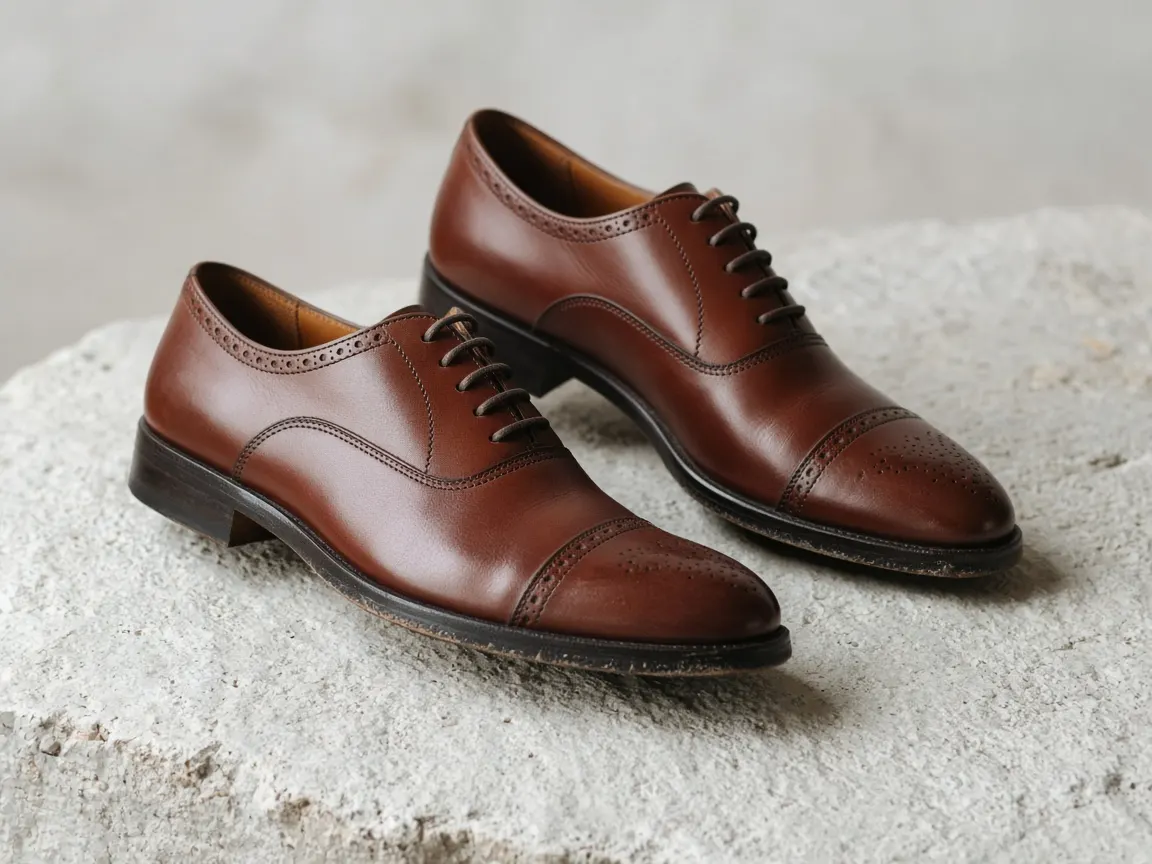
The stages
- 01
Contact the workshop
Call +1 (813) 841-3247, email [email protected], send the form, or come to 210 S MacDill Ave, Tampa, FL 33609. Say what the shoes are and what is wrong. A photo can illustrate a note. It does not replace seeing the pair.
- 02
Footwear inspection
We look at the upper, the sole, the heel, the stitching, and any hardware. We also note older repairs. The point is to separate wear that can be repaired from damage that has already ended the useful life of the shoe.
- 03
Repair recommendation and estimate
We describe the option that fits the shoe and the reasons it might not. Cost factors are explained on the pricing page. The amount and the timing are discussed after the shoes are inspected, for the work you are asked to approve.
- 04
Customer approval
You decide whether the recommendation is what you want. Approval is a clear yes to that scope. A form submission, a question, or dropping off shoes for a look is not approval.
- 05
Repair and collection
Approved work is carried out. You collect the shoes from the workshop. We tell you what was done, what was left as it was, and how to look after the pair.
Prepare the shoes for inspection
Bring the pair when you can, including the shoe that looks better. Remove insoles only if they come out easily. Leave custom orthotics in the shoes or bring them alongside so we can see the space they occupy. Do not glue a peeling sole at home before the visit if you can avoid it. Fresh household glue can block a proper repair.
Brush off loose mud so the damage is visible. You do not need to clean the shoes perfectly. Tell us about water exposure, heat, and any earlier repair. If a zipper failed, do not force it back and forth until the teeth strip.
What to describe when you write or call
- The type of shoe: dress shoe, boot, sneaker, heel, or casual pair.
- The material you can identify: leather, suede, textile, rubber, or unknown.
- Where the damage is: sole, heel, toe, seam, zipper, or lining.
- What happened, if you know: a peel, a hole, a soak, a pinch when you walk.
- Whether both shoes are affected.
Skip payment card numbers and identity numbers. They are not needed to estimate a repair, and the form is not a place for them.
How the cost is agreed
After inspection we tell you what we recommend and what it involves. You can ask what would change the scope. Work starts when you agree. If you want only part of the recommendation, say so before work begins so the estimate matches the smaller scope. This website does not take a deposit or a card payment.
Limits you should expect to hear
Some shoes cannot be returned to their original look or strength. Color may not match perfectly. A stretched shoe may ease and still not fit like another size. A cleaned stain may fade rather than vanish. A resole cannot correct an upper that has torn through. We would rather decline a job than imply a result the material will not support.
After the shoes come home
Wear rotates better than daily use of one repaired pair. Keep wet shoes away from radiators and dashboards. Wipe salt off leather. Use a soft brush on suede instead of a stiff scrubber. If a new sole or heel feels different for the first walks, that can be the new material, not a defect, but tell us if something is loose or painful.
The services overview and the individual service pages explain the kinds of damage behind these steps. About the workshop explains how we talk about materials and about repairs that are not worth doing.
Can I book a time online?
No. This website does not offer appointment booking or online payment. Call or use the contact form, then bring the shoes when an inspection has been arranged.
What if I only have one shoe with me?
One shoe is enough to start a conversation. For heels and soles, the pair is more useful because wear is often uneven. We may ask you to bring the other shoe before an estimate is final.
Will you tell me if repair is a bad idea?
Yes. Part of the inspection is saying when the material, the construction, or the amount of damage makes repair a poor use of the shoe. You are not obliged to approve work.
What should I do after I collect the shoes?
Follow the care note we give you for that pair. Keep a freshly cemented sole away from heat and from soaking. Let leather dry at room temperature. Do not assume a cleaned or resoled shoe is immune to the same wear.