Tampa, Florida
Leather Shoe Repair in Tampa, FL
Leather shoe repair covers the upper and the seams as well as the wear you notice first. A scuff, a dry crack, and a stitch that has let go are three different problems.
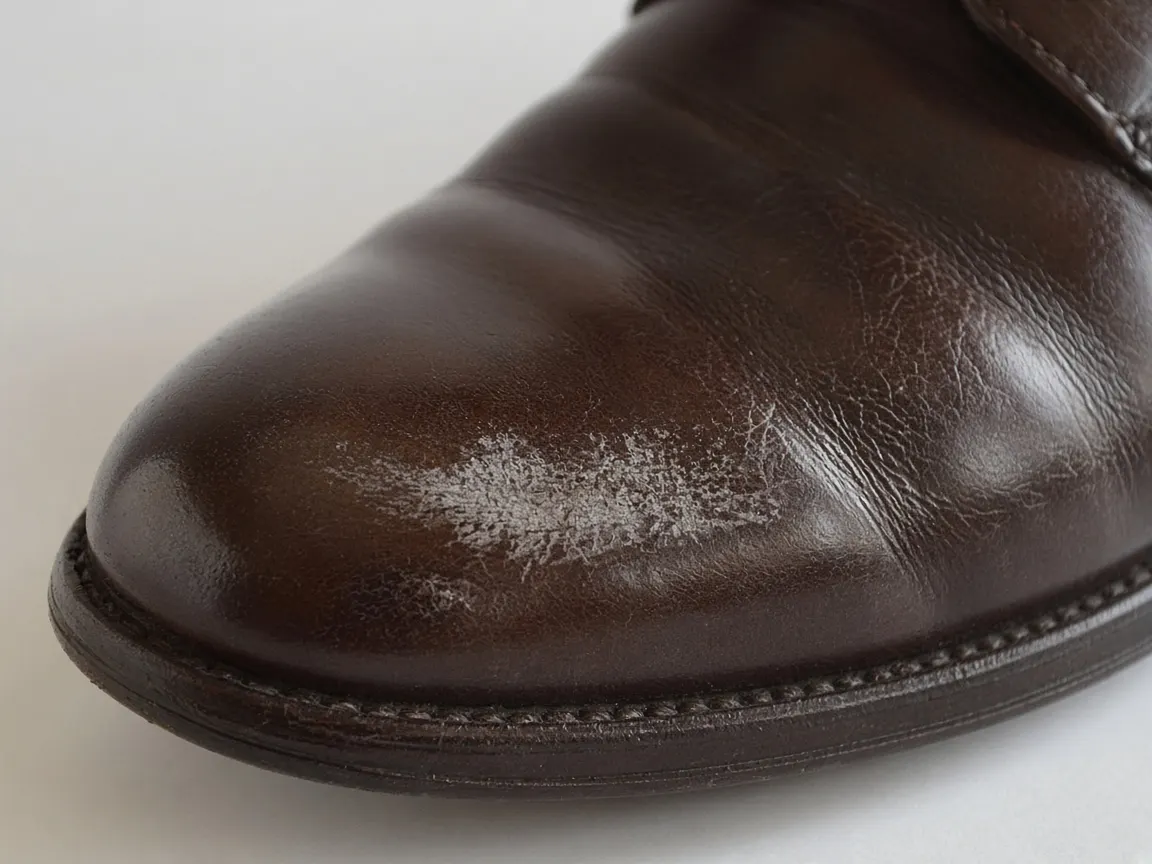
Cracked and worn leather
Leather cracks where it flexes: across a vamp, at a toe puff, along a quarter. Fine dryness can improve with conditioning. A crack that has opened through the thickness of the hide will not close because it was creamed. Deep cracks may be stabilized only in limited cases, and sometimes they mean the shoe has finished its useful flex life.
Worn leather at the toe is often a mix of lost color and compressed hide. We separate those before talking about color. The restoration page covers finish. This page is about the leather as a material that also has to hold together.
Damaged stitching
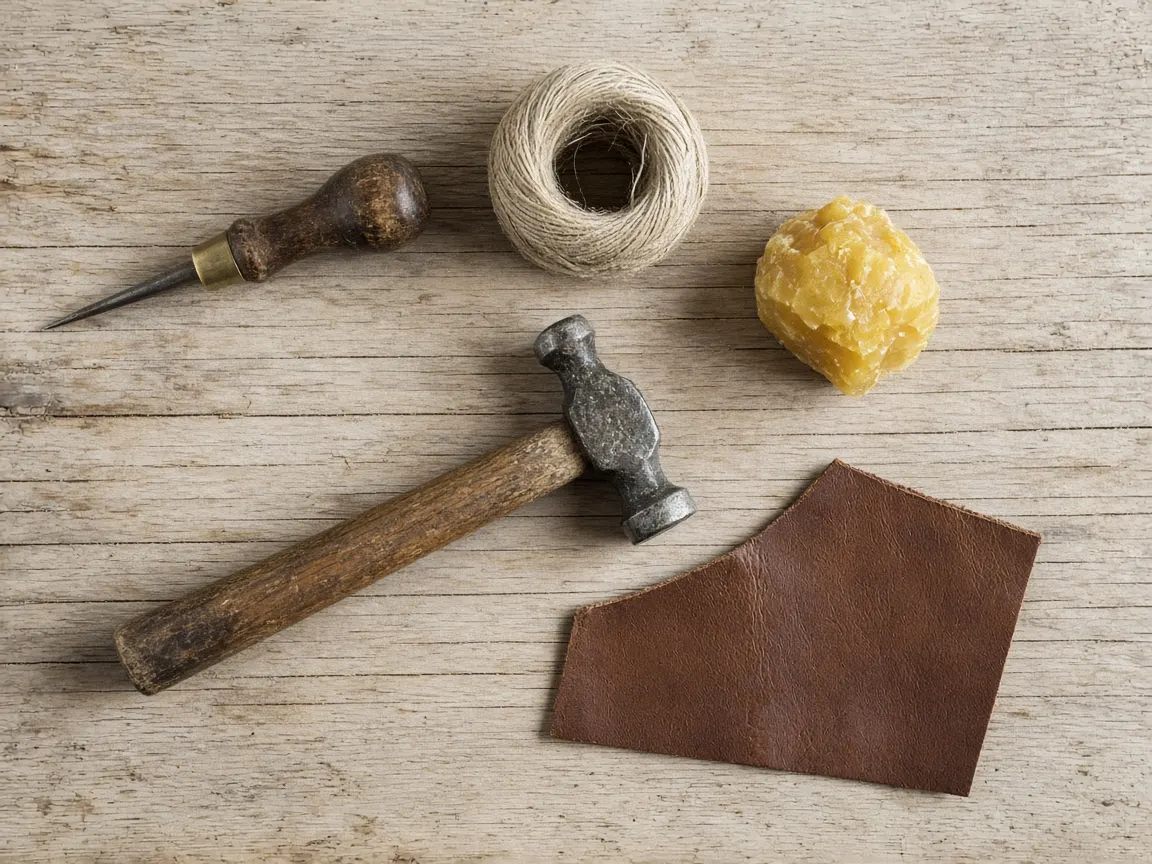
A popped seam on the upper is not the same as a welt stitch that holds the sole. Upper seams can sometimes be restitched when the leather around the holes is strong. Welt stitching that has failed lets the sole move and belongs with sole work if the welt itself is intact.
If the leather has torn out around the old holes, new thread has nothing to hold. We will not sew into dust and call it repaired. Thread type is chosen for the seam after inspection. No thread brand is listed here.
Scuffs and surface repair
A scuff that has only marked the finish is a surface job. A scuff that has cut the grain is a scar. Surface color can lower the contrast. It does not rebuild missing grain. Cuts and small tears are assessed for whether the edges can be supported. A long tear across a flex point often cannot.
Conditioning
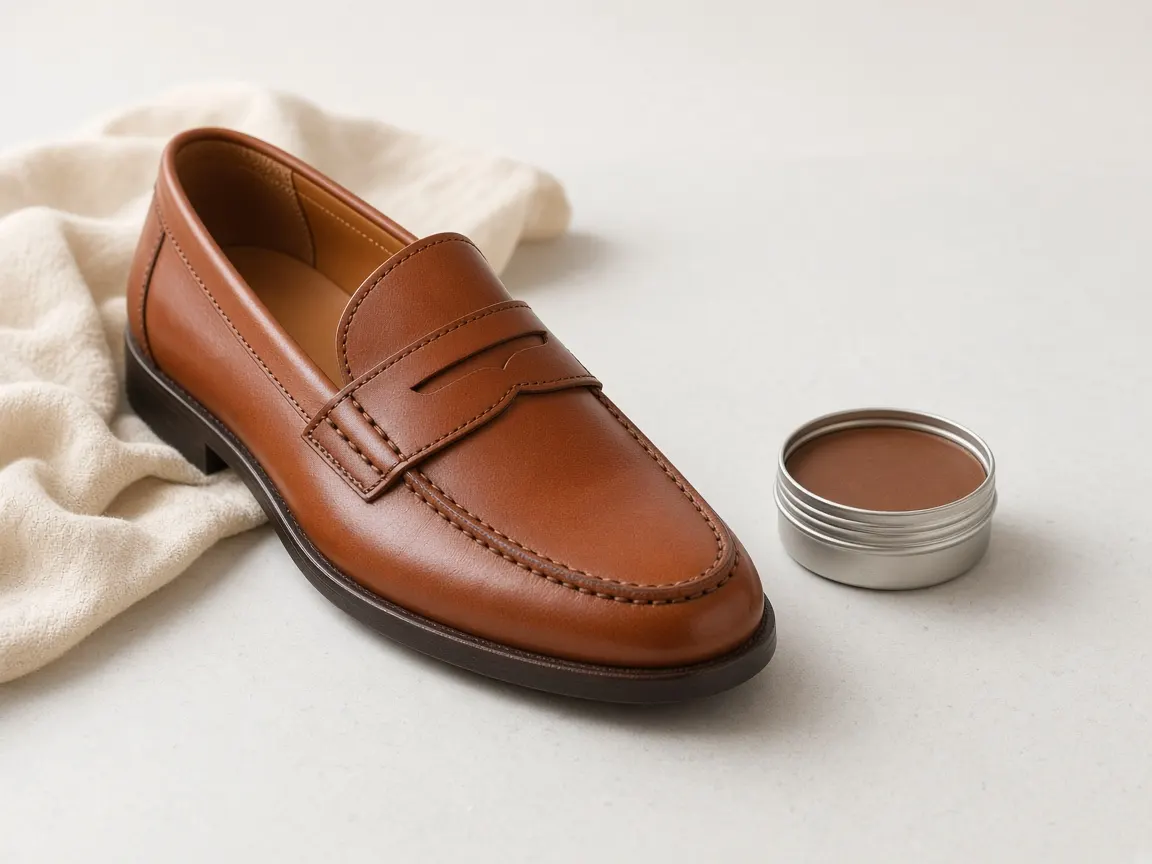
Conditioning is appropriate for leather that is dry but intact. It can make a stiff shoe more comfortable and slow further cracking. It is not glue, and it is not a filler for an open split. Over-oiling leather can darken it and stretch it, so we do not treat heavy oil as a default.
Structural damage and cosmetic damage
Cosmetic damage changes the look: scuffs, dryness, faded color. Structural damage changes whether the shoe holds your foot and meets the ground: torn leather, failed seams, a loose sole, a broken heel. We name which one we see. Doing only the cosmetic work on a structural failure leaves the failure in place, and we will say that.
Faux leather and coated fabrics can mimic both problems and then peel instead of cracking like hide. Identifying that material is part of a leather repair visit, because the repair may not exist for that coating.
Process, cost, limits, and care
Bring the pair to 210 S MacDill Ave or describe the leather and the damage in the inquiry form. We inspect, separate surface work from structure, and estimate the realistic scope. You approve it before work starts. Cost follows the factors on the pricing page: area, whether stitching or sole work is included, and whether the leather can accept it.
Limits include leather that has torn through at the flex, seams with no sound edge, and coatings that are not leather. After care: keep wet leather away from heat, wipe salt off, and do not flex a fresh repair sharply on the first day if we ask you not to. Conditioning at home should be light. More is not better.
Questions
Can cracked leather be fixed?
Dryness and fine crazing may improve with conditioning. An open crack through the hide usually cannot be made whole. We will show you which you have.
Can you repair a torn leather shoe?
Small tears in sound leather are sometimes stitched or supported. A tear across the flex point, or a tear with frayed edges, may not hold. Inspection decides.
Do you repair faux leather the same way?
No. Coatings and microfibers do not take the same stitches, creams, or cement as hide. If the shoe is not leather, we say so and whether any work is realistic.