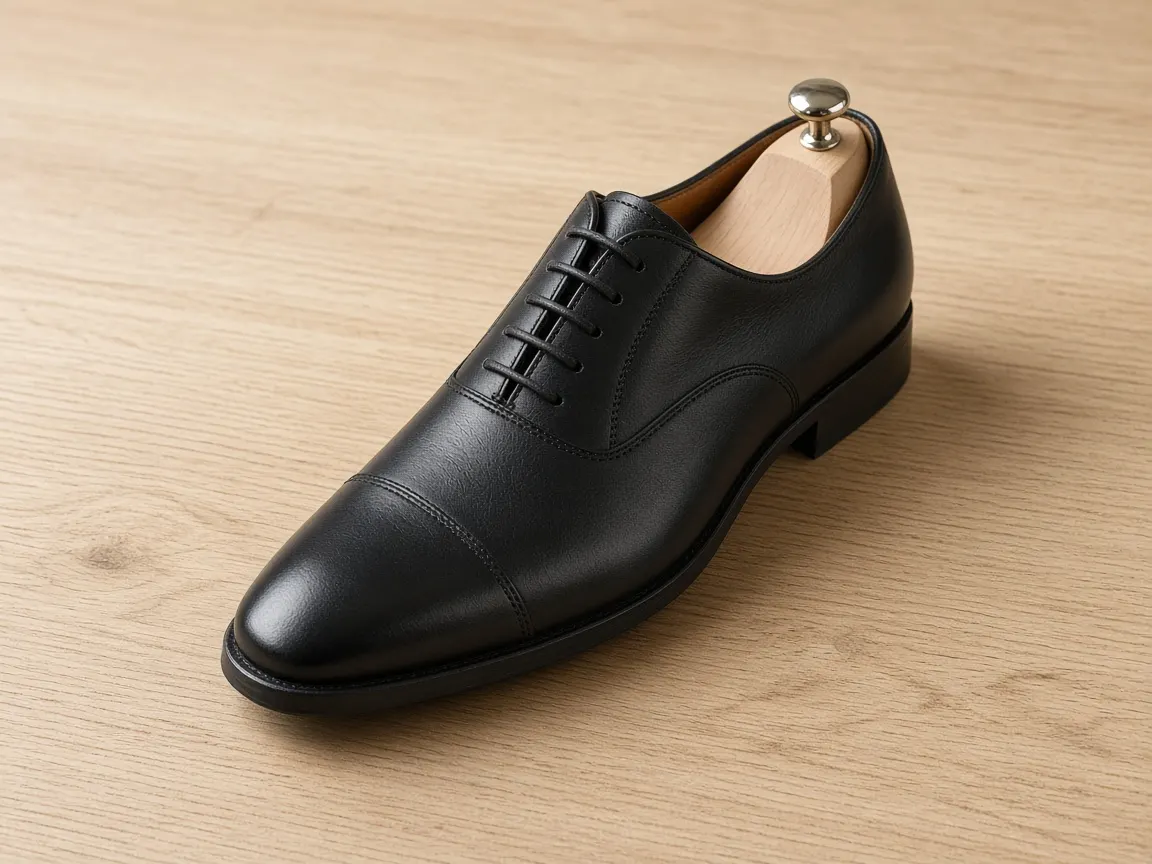
Tampa, Florida
Shoe Repair Services in Tampa, FL
Sole, heel, boot, leather, cleaning, restoration, and stretching work from a workshop on South MacDill Avenue. Every recommendation starts with an inspection of the actual shoes.
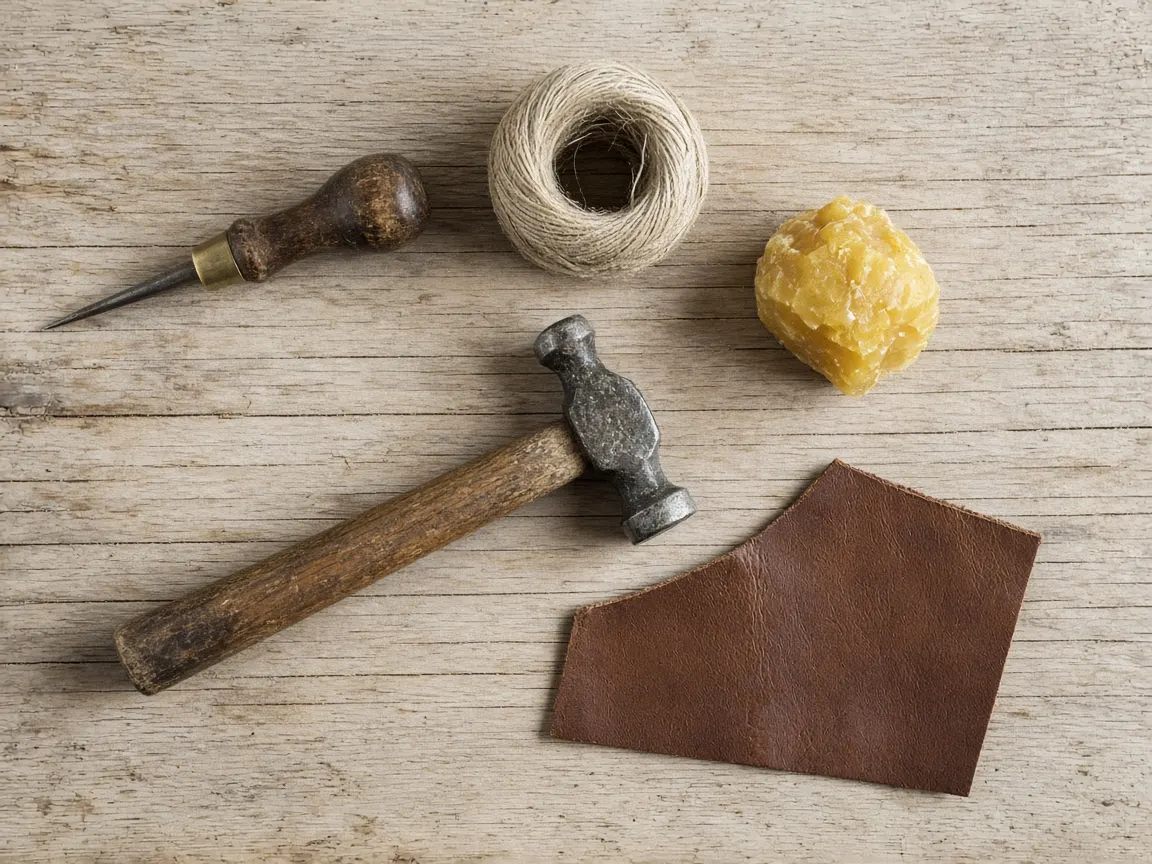
These are the services this website describes. They are the work a local cobbler is asked to judge: what failed, what material it is, and whether repair is a better path than replacing the pair. Not every shoe can be saved. If a part or a method has to be chosen, that choice is made after the shoes are seen.
Use the list to jump to a service, then open the full page for damage, materials, limits, and care. If you are unsure which label fits, choose a general repair inquiry on the form and describe the shoes in plain language.
- Sole repair
- Heel repair
- Boot repair
- Shoe cleaning
- Sneaker cleaning
- Shoe restoration
- Leather shoe repair
- Shoe stretching
Sole repair
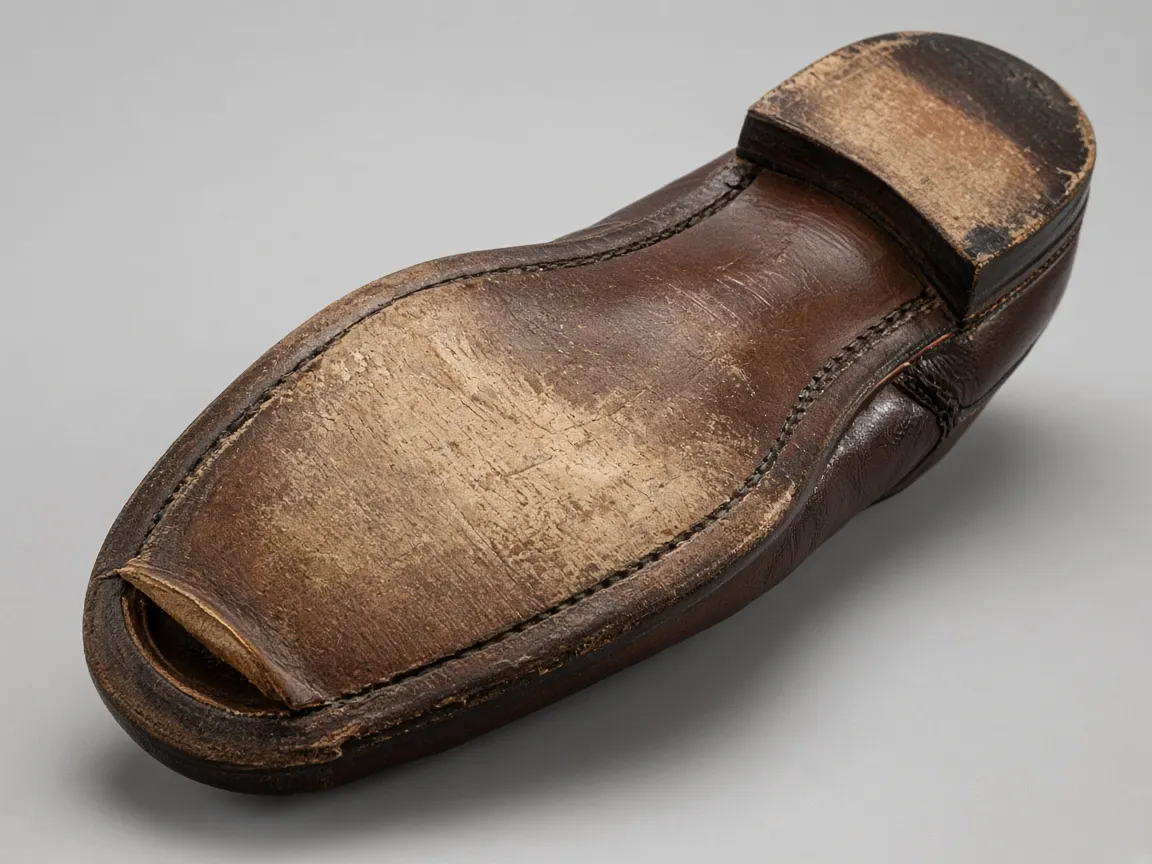
Sole repair covers the part of the shoe that meets the ground: a worn leather or rubber outsole, a hole, a crack, or a sole that has separated from the upper. It can mean reattaching a sound sole, replacing only the worn forepart, or replacing the outsole when the remaining material is too thin to keep.
The work suits many dress shoes and boots whose construction allows the bottom to be repaired. It is a poor fit for some molded sneakers and cemented fashion shoes. Water, old adhesive, and a soft insole board all change the recommendation. We need to see the pair before saying which option is realistic.
Limits: a new sole does not fix a torn upper or a collapsed shank. If the shoe was not built to come apart, forcing a resole can do more harm than leaving it. Inspection is necessary whenever the sole is holed, peeling, or you can feel the ground.
Heel repair
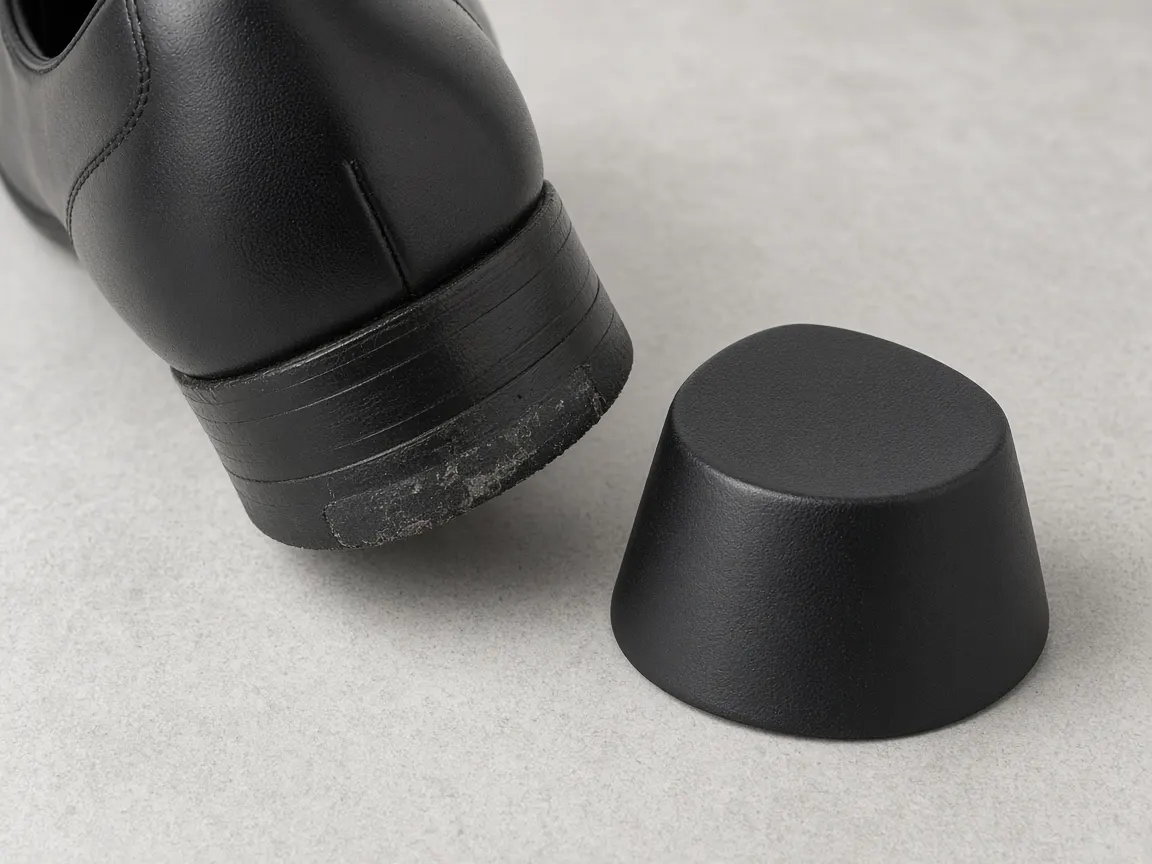
Heel repair deals with the small parts that wear first and with the structure under them. A rubber heel tip, or top lift, can wear through and leave the shoe out of level. A plastic or leather heel breast can crack. A stacked heel can loosen. Uneven wear between the left and right shoe is a reason to bring the pair, not just the worse shoe.
Dress shoes, boots, and heeled pumps are the usual candidates. The material of the tip and the way the heel is fastened decide whether a cap can be replaced or the heel itself needs work. We do not assume every high heel can be rebuilt to its original height.
If the seat of the shoe has collapsed or the shank is broken, a new tip will not make the shoe stable. That is an inspection finding, not something a photo can settle.
Boot repair
Boot repair brings together sole and heel work with the extra pieces boots carry: heavier outsoles, stacked leather heels, welt stitching, and zippers. Leather boots, work boots, and cowboy boots are the types described on the boot page. Each is judged on the condition of the leather and the way the bottom is attached.
A scuffed shaft is a surface issue. A separated sole, a worn heel cap, or a zipper that has left its teeth is mechanical. Rubber lug soles and leather outsoles are not repaired the same way. If the leather is dried out or cracked through at the flex point, the bottom work may not be worth doing.
Bring both boots when the wear is uneven. We will say if a zipper, a heel, or a sole is beyond a stable repair.
Shoe cleaning
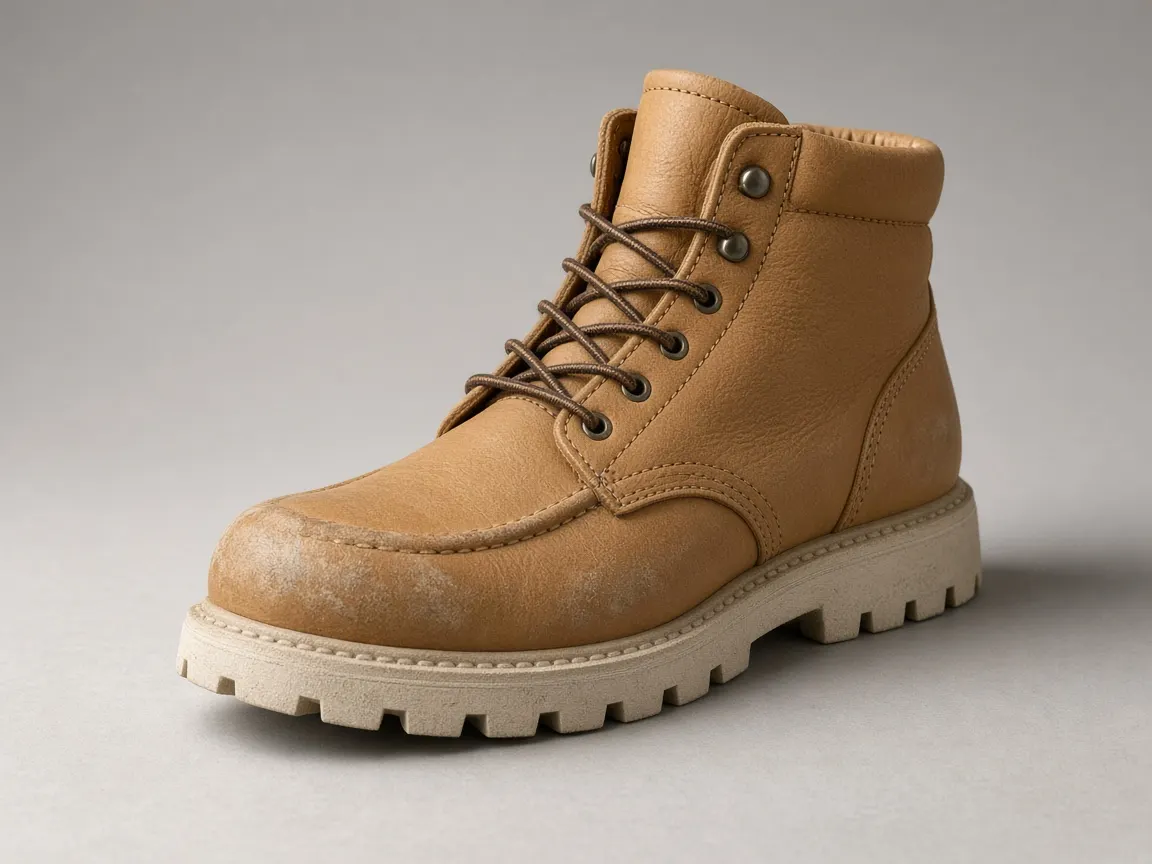
Shoe cleaning removes surface dirt and salt when the material can tolerate it. Smooth leather, suede, and fabric do not take the same treatment. A brush that is right for suede can scratch glazed leather. Water that is harmless on a rubber sole can stain a suede vamp.
Cleaning does not rebuild color that has worn off, and it does not close a crack. Heavy dye transfer, mold, and old water stains may improve only partly, or not at all. We look at the material before any cleaning starts and we stop if the surface would be harmed.
Aftercare matters. A cleaned shoe still needs to dry away from heat, and suede should not be soaked again the next day. The cleaning page explains those limits.
Sneaker cleaning
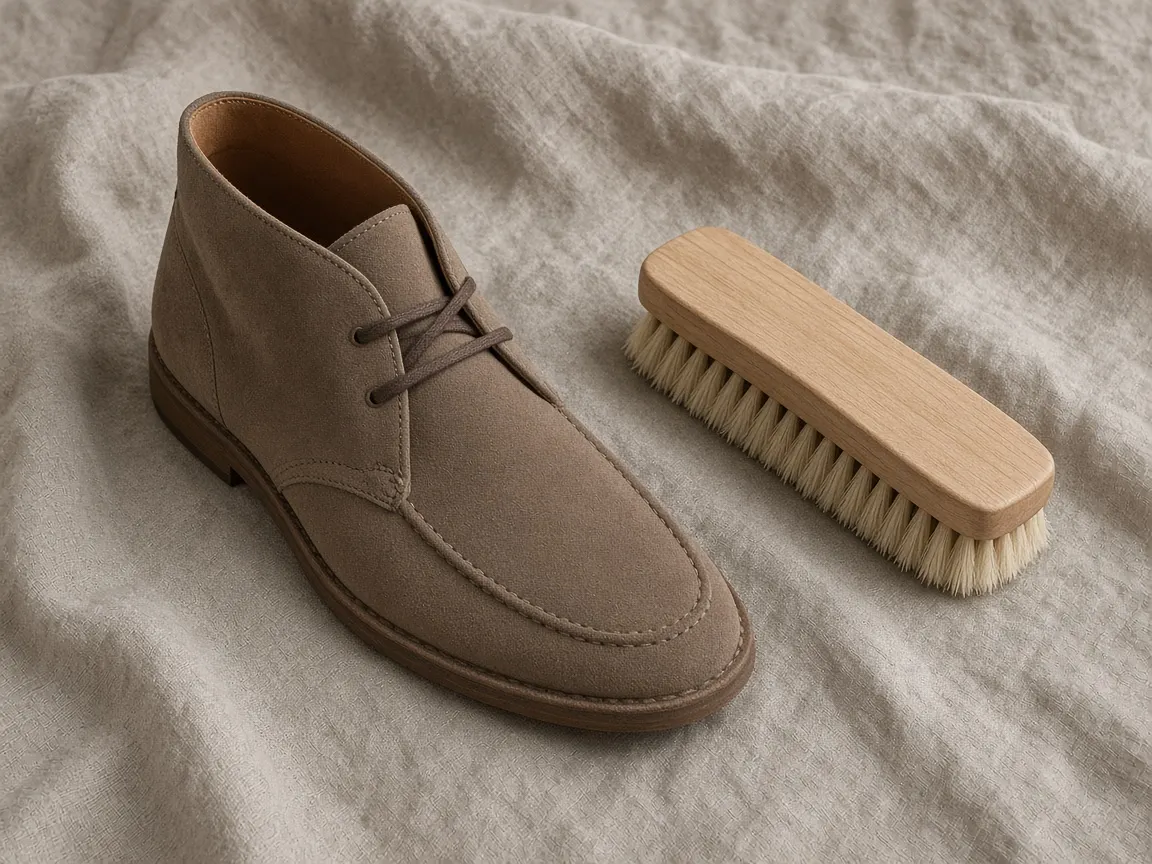
Sneaker cleaning is a material-specific version of shoe cleaning. Textile uppers, smooth leather, suede panels, rubber midsoles, and outsoles each react differently. A scuffed white midsole can often be cleaned at the surface. A stain that has dyed the textile may not lift.
Aggressive scrubbing, strong bleach, and soaking a glued shoe are risks, not methods we describe as routine. They can yellow foam, open a glue joint, or rough up a coating. We assess the stain and the construction first.
Sneaker cleaning is not sole replacement. If the midsole has crumbled, cleaning the upper will not make the shoe sound. We will tell you when that is the case.
Shoe restoration
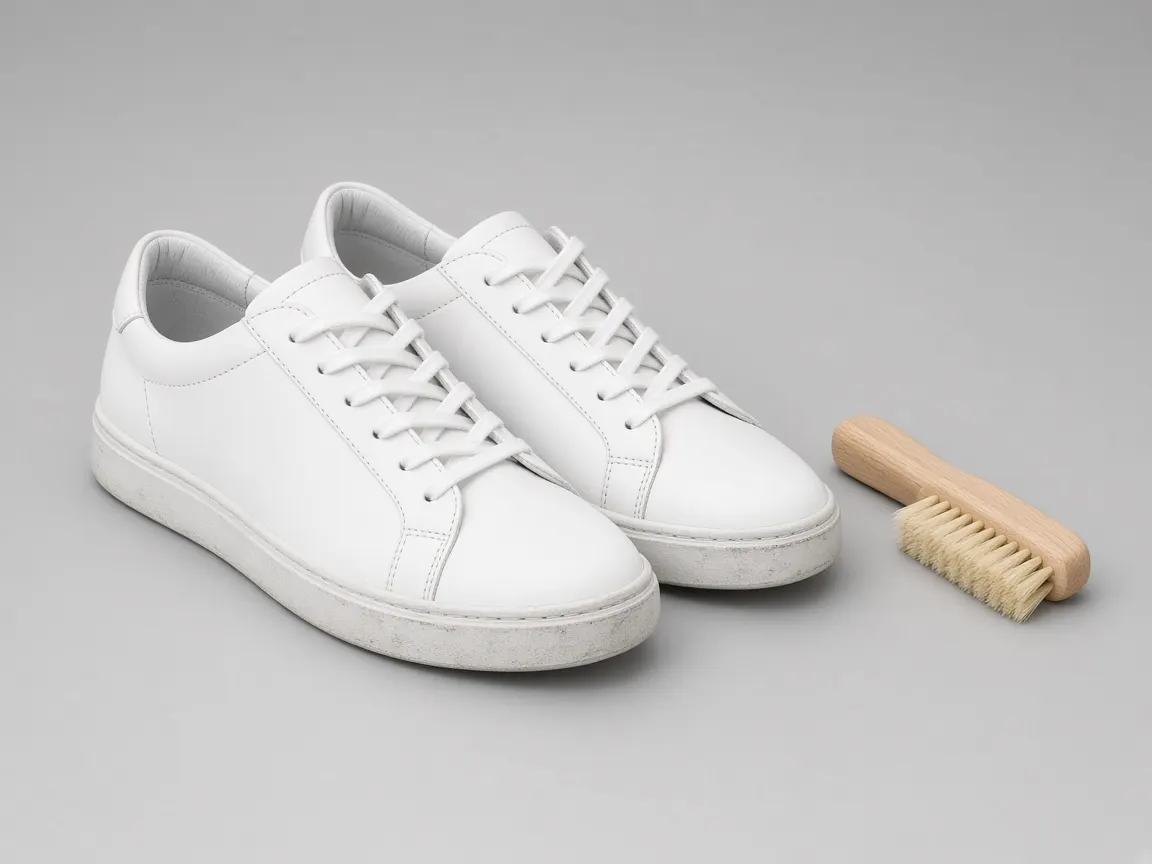
Restoration, as used here, means surface work on a shoe that is still structurally usable: scuffs, dry leather, and color that has worn thin. Conditioning feeds dry leather. Refinishing can reduce the look of a scuff when the dye has not been lost all the way through the skin.
It is not a promise that a shoe will look new. Deep cracks, missing leather, and failed soles are repair questions, not cosmetic ones. Suede and patent finishes are less forgiving than smooth calf. There is no single method for every finish.
If the shoe also needs a heel tip or stitching, that work is separate and is estimated on its own. Inspection tells us whether cosmetic work is even useful.
Leather shoe repair
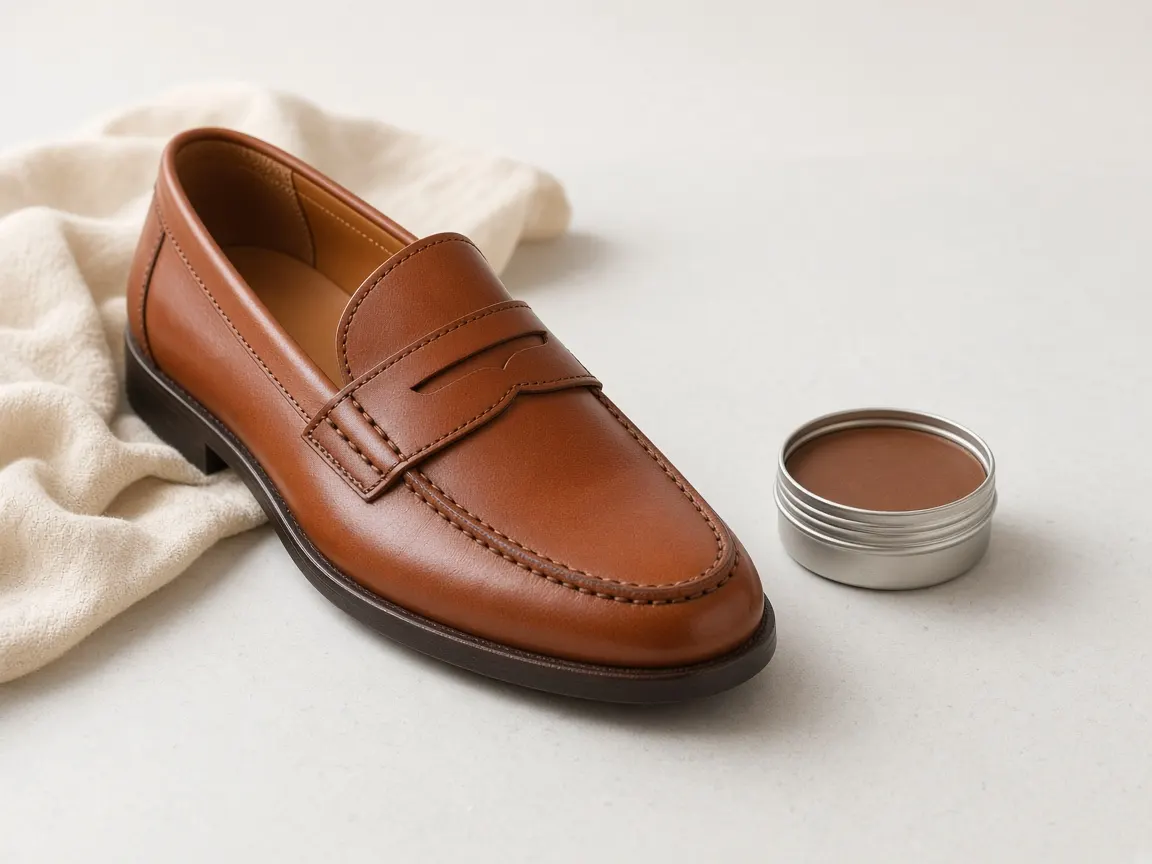
Leather shoe repair covers the upper and the seams as well as the wear people notice first. A scuff, a dry flex line, a loose stitch, and a small tear are different jobs. Surface color can sometimes be improved. A tear that has opened the leather, or stitching that has let the sole go, is structural.
Smooth leather is the most familiar case. Suede, nubuck, and patent need their own handling, and a faux leather coating may not accept the same repair as hide. We identify the material as part of the inspection rather than guessing from a message.
Conditioning is part of caring for leather that is still intact. It does not glue a crack back together. If the leather has failed, we say whether a patch or a stitch is realistic or whether the shoe should be retired.
Shoe stretching
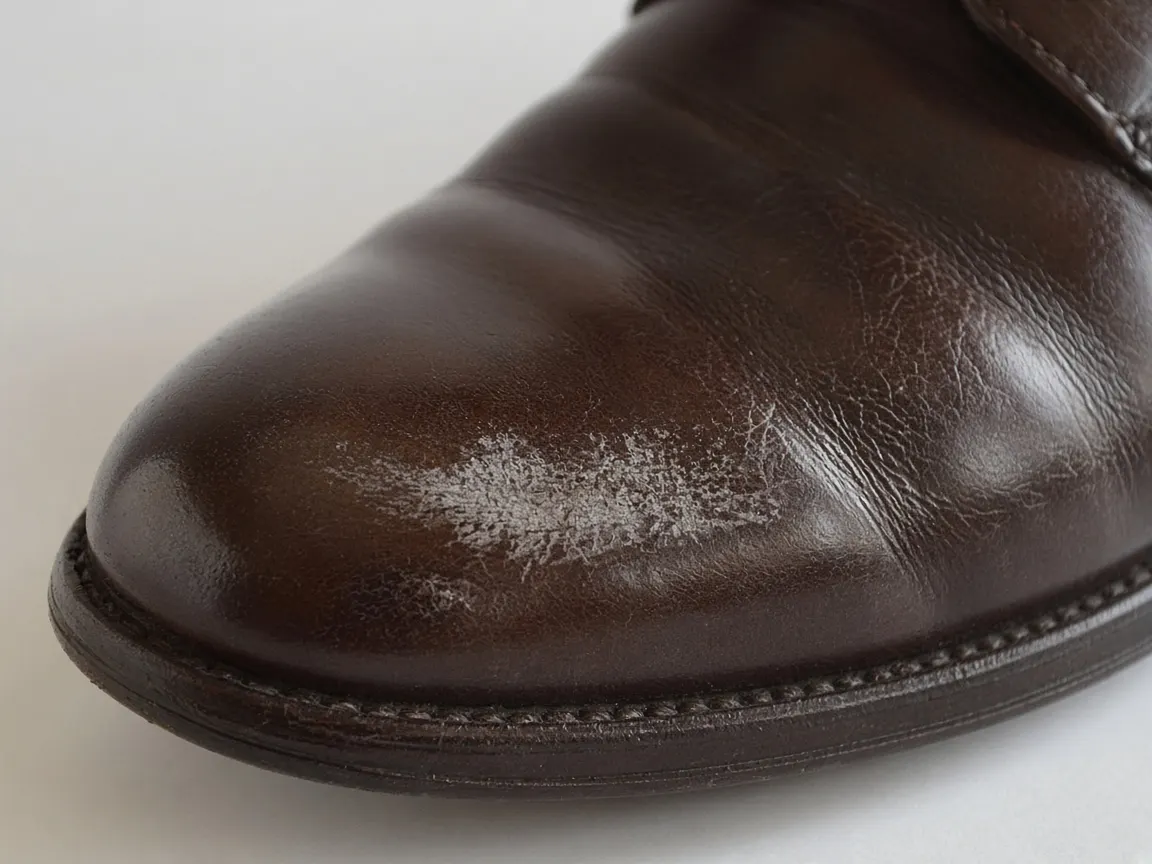
Stretching eases a tight spot in footwear that can give, most often leather. People ask a cobbler to stretch shoes when a toe box pinches, a joint rubs, or the width feels narrow. Length is much harder to change, and stretching is not a way to jump a full size.
Fabric, plastic coatings, and many synthetics barely move, and forcing them can crease or split them. Very old, dry leather can crack instead of easing. We look at the material and the place that hurts before recommending stretching.
Expectations should stay modest: pressure relief at a named spot, not a different shoe. If the pair is simply the wrong size, we will say that stretching is unlikely to fix it.