Tampa, Florida
Shoe Restoration in Tampa, FL
Restoration here means surface work on a shoe that can still be worn: scuffs, dryness, and color that has thinned. It is not a promise that the pair will look unused.
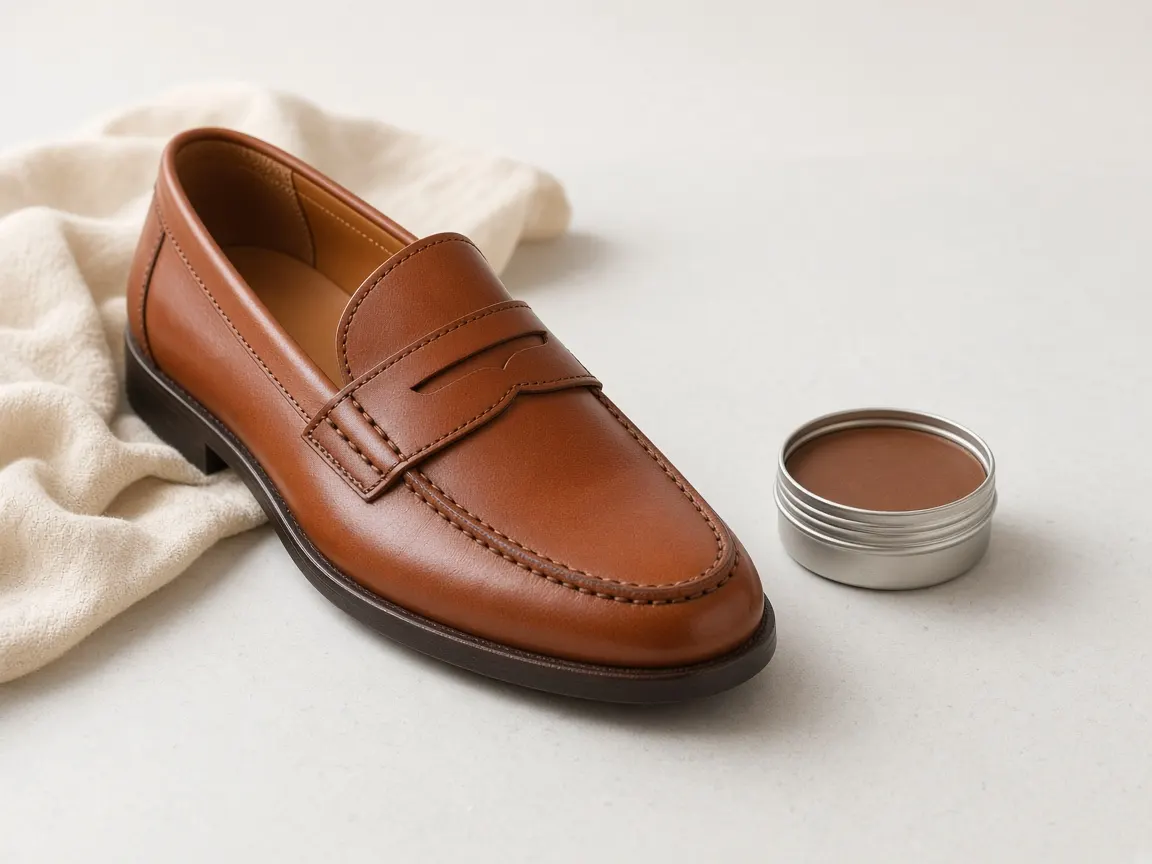
Surface wear and scuffs
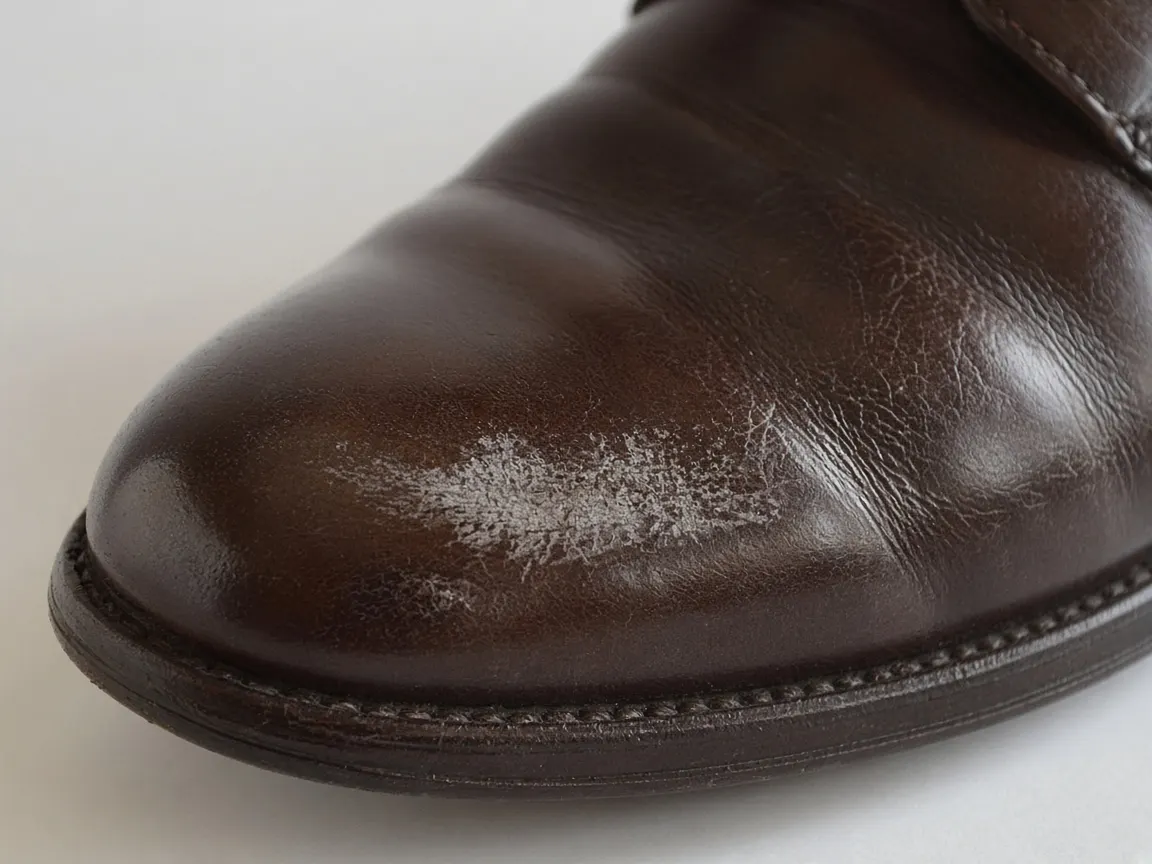
A scuff is often color or finish scraped from the high points of a toe or heel counter. If the leather underneath is intact, refinishing can reduce the contrast. If the scrape has cut into the hide, color sits in a dent and will still be visible in raking light. We say which of those we are looking at.
Edge wear along a sole is not restored by coloring the upper. That is sole or heel wear, and it belongs with sole repair or heel repair when it is repairable.
Color deterioration
Sun, salt, and abrasion fade leather unevenly. A toe that is pale and a quarter that is still dark will not always recolor into one even field. Blending is the realistic goal. An exact match to a factory finish is unlikely, especially on worn edges where the dye has nowhere to sit.
Suede color is nap, not a painted film. Rubbing color into suede can look worse than the fade. We treat that as a limitation, not a challenge to force.
Conditioning and refinishing
Conditioning replaces some of the moisture and oils that dry leather has lost. It can soften a stiff shoe and reduce a pale, thirsty look. It does not fill a crack. Refinishing is the careful addition of color or cream where finish is missing. The two are often done together on smooth leather and kept separate from structural stitching or sole work.
The material decides what is safe, and that decision is part of the estimate.
What restoration does not include
A torn upper, a failed sole, a broken heel, and a rotten insole are not cosmetic. Calling them restoration would hide the real job. If the shoe needs those repairs, they are estimated as repairs. If the shoe cannot support them, surface color is optional and sometimes declined.
Patent, metallic, and heavily coated finishes can craze when they are reworked. We may recommend leaving them alone.
Footwear and materials
Smooth leather dress shoes and leather boots are the usual candidates. Suede, nubuck, and fabric are assessed separately and often have less room for color work. Faux leather may not accept cream or dye the way hide does, and a peeling coating cannot be conditioned back on.
Process, cost, and care
Bring the shoes, or describe the scuffs and the material in a note. We inspect, explain what color work can and cannot change, and wait for approval. Cost tracks the area involved and whether repair is required as well. The amount is set after inspection.
Afterward, let creams dry before you wear the pair in rain. Use a soft cloth, not a dripping sponge. Store the shoes away from a heater. A restored surface still scuffs if the same toe hits the same curb.
Questions
Will the shoes look new?
No. The aim is a more even, cared-for surface on a shoe that is still sound. Deep cuts, missing leather, and factory texture that has worn away will still show.
Can you recolor scuffed black shoes?
Often the contrast of a scuff on black leather can be reduced if the hide is intact. We do not promise an exact factory sheen.
Is conditioning the same as repair?
Conditioning is care for dry leather. Repair is for something that has failed: a sole, a stitch, a tear. A shoe can need one, the other, or both.